

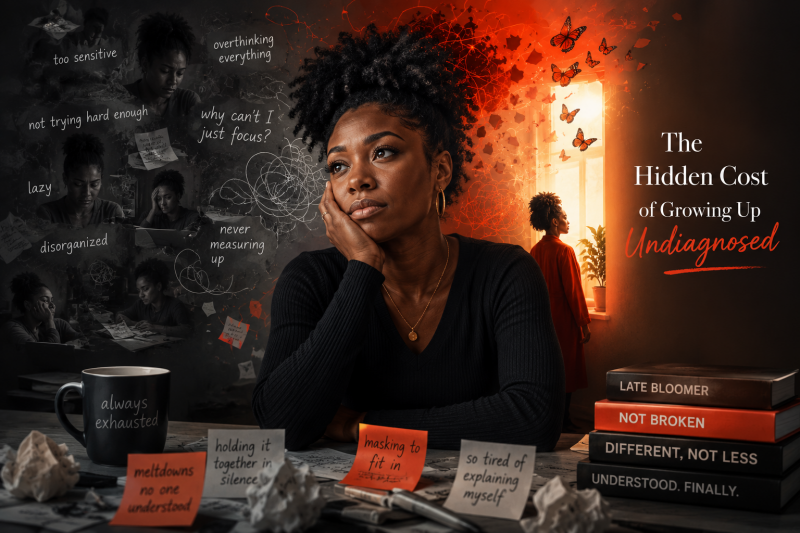
Growing up with undiagnosed neurodivergence can feel like living life with an instruction manual that everyone else seems to have received except you.
For many adults who later discover they are autistic, have ADHD, dyslexia, sensory processing differences, or another form of neurodivergence, the diagnosis often brings both relief and grief. Relief because things finally make sense. Grief because of the years spent believing they were broken, lazy, difficult, or simply not trying hard enough.
The truth is that undiagnosed neurodivergence carries a real cost emotionally, relationally, financially, and physically. Yet understanding these hidden costs can also become the beginning of healing.
The Emotional Cost: Carrying Shame That Was Never Yours
Many neurodivergent individuals grow up hearing messages like:
"You're too sensitive."
"Why can't you just focus?"
"You need to try harder."
"Everyone else can do it, why can't you?"
Over time, these experiences can shape a person's identity.
Instead of understanding that their brain works differently, many begin to believe that something is fundamentally wrong with them. This often leads to chronic shame, anxiety, perfectionism, and persistent self-doubt.
Many adults with late-identified neurodivergence spend years overcompensating—working harder, masking more, and constantly questioning themselves in an attempt to fit in.
The emotional burden of feeling "different" without knowing why can be profound.
The Relational Cost: Feeling Misunderstood and Alone
Undiagnosed neurodivergence can also affect relationships in deeply painful ways.
Communication differences, sensory needs, executive functioning challenges, or social exhaustion are often misunderstood by others. A person may be labelled as rude, lazy, distant, dramatic, or unreliable when they are actually struggling with unmet neurological needs.
As a result, many people begin masking their authentic selves to avoid criticism or rejection.
While masking can help someone appear to cope, it often comes at a significant cost: exhaustion, identity confusion, and difficulty forming genuine connections.
Many adults describe feeling lonely even when surrounded by people because they spent so much of their lives performing rather than being fully understood.
The Financial and Career Cost: Burnout and Lost Opportunities
The hidden cost of undiagnosed neurodivergence often extends into education and professional life.
Without understanding how they learn, process information, or manage energy, many individuals struggle in environments that were never designed with neurodivergent needs in mind.
This can lead to:
- Frequent job changes
- Difficulty maintaining consistent performance
- Academic struggles despite high intelligence
- Missed opportunities and reduced confidence
- Chronic burnout from years of overcompensating
Many people internalize these challenges as personal failures when, in reality, they may simply need different strategies, accommodations, or environments that better align with how their minds work.
The financial consequences of repeated burnout, career instability, and untreated stress can accumulate over time, creating additional emotional strain.
The Physical Cost: When Stress Lives in the Body
Living for years in a state of confusion, masking, and self-criticism can have a significant impact on physical health.
Chronic stress associated with undiagnosed neurodivergence may contribute to:
- Persistent fatigue
- Sleep difficulties
- Headaches and migraines
- Gastrointestinal issues
- Muscle tension and chronic pain
- Anxiety and depressive symptoms
- Nervous system dysregulation
The body often carries the weight of years spent trying to survive environments that felt overwhelming, unpredictable, or unsafe.
Many people only begin connecting these physical symptoms to their neurodivergence after receiving a diagnosis or learning more about neurodivergent experiences.
The Good News: The Cost Is Not Permanent
While the hidden cost of undiagnosed neurodivergence is real, it does not have to define the future.
Understanding your neurodivergence can be a powerful turning point—one that replaces self-blame with self-understanding.
Instead of asking:
"What's wrong with me?"
You begin asking:
"What do I need to thrive?"
That shift can open the door to:
- Greater self-compassion
- Healthier relationships
- Better boundaries
- Reduced shame
- Appropriate support and accommodations
- A deeper understanding of your strengths and needs
Healing does not erase the past, but it can change your relationship with it.
The years of misunderstanding yourself matter. The grief for missed support and lost opportunities is valid. But so is the possibility of healing, growth, and self-acceptance.
You were never broken.
You were navigating life without the information and support you deserved.
Begin the Journey Toward Healing
Healing from years of self-misunderstanding is possible. Understanding the hidden cost of undiagnosed neurodivergence can be the first step toward rebuilding self-trust and embracing a more compassionate view of yourself.
Thriving After Trauma explores exactly this kind of recovery journey offering insight, validation, and hope for those learning to understand themselves through the lens of compassion rather than criticism.
Add comment
Comments